
The Next Era of Television
John Logie Baird built the first television prototypes at home using whatever he had available – a tea chest, darning needles, and bicycle light lenses. His setup was fragile and experimental, but it worked.
The first television image was barely an image by today’s standards. It was uneven, flickering, and more shadow than picture. What appeared was the outline of a St John Ambulance badge, just clear enough to show that an image had travelled from one place to another.
After a few years of trial and iteration, January 1926 marked the first public demonstration of a functioning television system. Moving images were transmitted and viewed in real time, and for the first time, television moved from private experimentation to public reality.
Over the next century, television evolved from mechanical systems to broadcast networks, colour, satellite, digital platforms, and streaming. Screens multiplied, access expanded, and viewing habits changed. What began as something linear, scheduled, and communal has become fragmented and interactive. Viewers no longer simply sit and wait – they pause, rewind, binge, and choose what they watch.
Television is a lot more complex at present because it simply offers more. What has not changed, however, is the role it plays in real life. It continues to bring people together for shared moments, major events, and quiet nights at home. That sustained attention and shared emotions is why television still matters to advertisers, and why understanding, measuring, and proving its performance has never been more important.
What do you think will matter more in the next era of television?
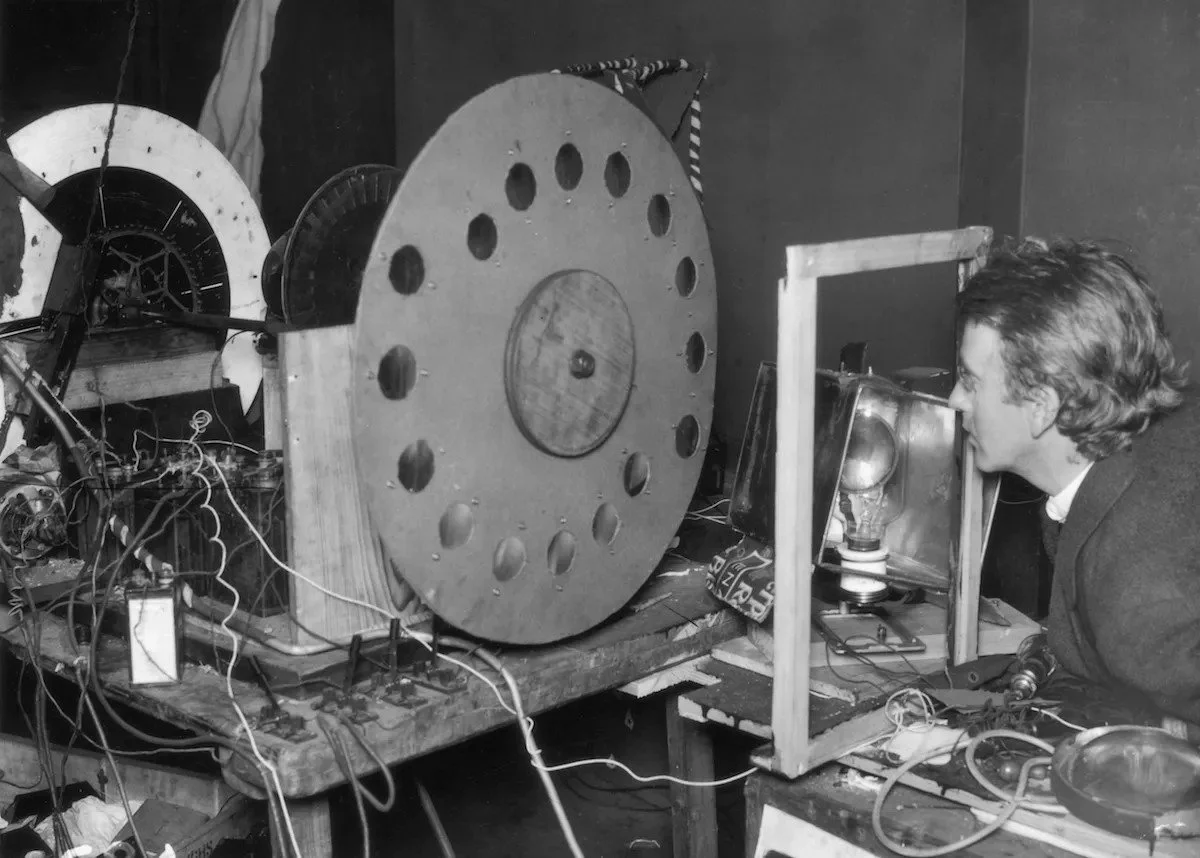
Image sourced from bairdtelevision.com